Whimsical Design with Cute Bugs, Insects Clipart
In the world of digital design, finding assets that balance professional polish with genuine personality is a constant challenge. The Cute Bugs, Insects Clipart collection is a perfect example of how hand-drawn art can inject warmth and character into a project without sacrificing quality. This isn't just a set of generic illustrations; it's a toolkit designed for creators who want to tell a story through their visuals. The hand-drawn style gives each ladybug, butterfly, and beetle a unique personality, making them feel approachable and authentic. This kind of art resonates because it feels human, moving away from the sterile perfection of vector graphics to something with texture and soul.
Understanding the Assets: Beyond Basic Clipart
When you invest in a creative resource like this, knowing exactly what you're getting is crucial for planning your workflow. The package is structured to offer maximum flexibility for both digital and physical applications. You will receive a robust set of files designed to integrate seamlessly into your existing projects.
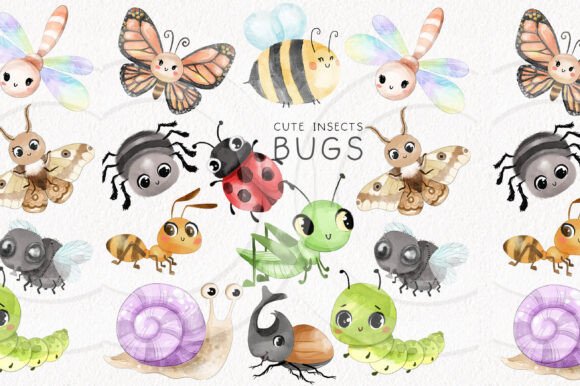
- Color and Monochrome Options: The set includes 12 color PNG images and 12 black & white PNG images. This duality is vital. The color versions are ready for immediate use in digital marketing or vibrant print projects, while the black and white versions are perfect for coloring pages, etching effects, or sophisticated monochromatic layouts.
- Transparent Backgrounds: All PNG files feature a transparent background. For designers, this is non-negotiable. It allows you to layer these insects over textured papers, photographs, or solid color blocks without the hassle of tedious masking or ugly white halos. They drop right into your composition.
- Print-Ready Poster: Included is one JPEG file sized at 11.7x16.5 inches (A3). This is ideal for creating an immediate focal point in a room, using as a large-scale background texture, or printing as a reference sheet for physical crafts.
- Clean Digital Files: Rest assured, the watermark visible in previews will not be on your purchased digital images, ensuring your final product looks professional and unbranded.
Visual Characteristics and Stylistic Appeal
The defining feature of this collection is its hand-drawn art aesthetic. Unlike rigid vector lines, these illustrations possess the slight imperfections and varying line weights characteristic of traditional pen and ink or watercolor work. This style falls into the category of "whimsical realism"—the bugs are recognizable but often slightly stylized with oversized eyes or vibrant, non-naturalistic colors to enhance their "cute" factor.
This approach to design creates an immediate emotional connection. In branding terms, this is soft power. It suggests that a brand is creative, eco-friendly, educational, or family-oriented. The visual texture adds depth to flat digital designs, preventing them from looking generic. It serves as a counterpoint to the clean, sans-serif typography that dominates modern web design, providing a necessary visual "rest" for the viewer's eye.
Strategic Applications for Creators and Businesses
The versatility of Cute Bugs, Insects Clipart extends far beyond simple scrapbooking. For the modern entrepreneur, designer, or content creator, these assets can solve specific branding and marketing challenges. Here is how different professionals can leverage this collection:
- Papercraft and Scrapbooking: This is the most intuitive use. The images are drawn specifically for cutting and layering. Because they are PNGs, you can resize them to fit planners, journals, or greeting cards. The black and white versions are particularly useful for "stamp" effects where you might want to color in the details yourself.
- Brand Identity and Logo Design: If you are building a brand for a children’s boutique, an organic garden center, a daycare, or a nature blog, these insects can become mascots or recurring brand motifs. While you likely wouldn't use the raw clipart as a standalone logo, you can incorporate elements of the hand-drawn art into your logo lockup or use them as secondary branding elements to build a cohesive brand identity.
- Digital Marketing and Social Media: Social feeds are saturated with stock photography. Using illustrated elements helps a post stand out. These bugs work well as "sticker" overlays on Instagram Stories, accent graphics for Pinterest pins, or endearing characters in email newsletter headers. They break up text-heavy content and guide the reader's eye.
- Packaging Design: For small business owners selling physical goods—think homemade soaps, honey, seeds, or stationery—incorporating these illustrations onto labels and hang-tags adds a premium, artisanal feel. It signals to the customer that care and attention went into the product.
- Educational and Editorial Design: Publishers creating nature guides, children’s books, or educational worksheets will find the accuracy and charm of these illustrations invaluable. They make learning materials more engaging and less intimidating for young readers.
Integrating Art with Typography
One of the most common questions in editorial design and web design is how to pair imagery with type. Because this clipart has a distinct personality, your font choices matter. To maintain a professional hierarchy, avoid pairing these whimsical illustrations with overly rigid or ultra-modern fonts like a stark sans serif font. Instead, consider:
- Pairing with Serifs: A transitional serif font (like Baskerville or Georgia) can add a touch of classic elegance, grounding the playful nature of the bugs. This works well for high-end stationery or boutique branding.
- Pairing with Script Fonts: A script font or handwritten font can amplify the casual, friendly vibe. However, ensure the script is legible. If both the art and the font are too loose, the design can become chaotic. Use the script for headlines and a clean sans-serif for body text.
- Visual Hierarchy: Use the insects to create focal points. If you have a text-heavy layout, placing a bug illustration near the call-to-action (CTA) draws the eye. The creature acts as a visual cue, pointing the user toward the important information.
Practical Workflow and Best Practices
To get the most out of these design assets, you need to treat them as professional tools. Here are some practical recommendations for working with the Cute Bugs, Insects Clipart set:
Evaluating Project Fit: Before dropping these into a project, assess the tone. These illustrations have a high "cute" factor. They are perfect for B2C (Business to Consumer) markets, especially those targeting families, women, or hobbyists. They may be less appropriate for serious corporate B2B reports or aggressive tech marketing unless used ironically or very subtly.
Testing and Printability: Since you have the rights to print at home as much as you want, take advantage of test prints. Colors often look different on screen than on paper. Print a small batch of your design on the specific paper stock you plan to use (e.g., matte sticker paper vs. glossy cardstock) to ensure the black & white PNG lines don't bleed or the colors remain vibrant.
File Management: With 24 images plus a poster, organization is key. Create a dedicated folder in your assets library. Label them clearly (e.g., "Ladybug_Color," "Butterfly_BW"). This speeds up your workflow significantly when you are in the middle of a design sprint.
Commercial Use and Consistency: These assets are premium font and art equivalents—high quality and ready for commercial application. When using them across a campaign, maintain consistency. If you use a specific bug on your website header, try to use the same style (color vs. B&W) on your printed flyers. This repetition builds brand recognition. It turns a simple clipart into a recognizable brand symbol.
Ultimately, the value of Cute Bugs, Insects Clipart lies in its ability to bridge the gap between professional design needs and the desire for organic, human touch. Whether you are designing a logo, crafting a scrapbook, or building a social media strategy, these illustrations provide a reliable, charming foundation to build upon. They remind us that good design doesn't always have to be serious; sometimes, it just needs to be delightful.